
blackjack ballroom casino — explained simply 2026
blackjack ballroom casino offers a unique mix of simplicity and depth. Learning how to leverage blackjack ballroom casino code gives players a clear advantage over the put up.
See also:
- Why play at blackjack ballroom Matters for New Players
- Why blackjack ballroom trusted Matters for Your Gameplay
- Top Blackjack Bonus Offers and Terms
- Everything You Need to Know About blackjack ballroom casino code
- RTP Comparison of Popular Blackjack Variants
- Visual Guide to Online Blackjack Gameplay
- What Are blackjack ballroom casino code?
- Setting Limits When Playing Blackjack Online
Why play at blackjack ballroom Matters for New Players
blackjack ballroom casino remains one of the most captivating table games in casinos worldwide, blending skill, strategy, and a jot of chance. In 2026, the game continues to evolve with new rule variations and side bets that add layers of complexity, making play at blackjack ballroom a vital concept for players to understand. The interplay between player decisions and dealer outcomes creates a dynamic environs where each hand demands thrifty considerateness of probabilities and risk. Modern casinos have introduced electronic displays that track historical outcomes and betting patterns, allowing players to refine their approaches in real time. The psychological aspect of blackjack ballroom casino is equally important, as players must manage their emotions and bankroll while reading opponents at the table offering. Advanced strategies now unified elements of product theory, with some players using computer-assisted analysis to optimize their play. The social dimension remains strong, with tables often comme il faut hubs of camaraderie and competition. Dealers are trained to maintain a brisk pace while ensuring fairness, and many casinos offer tutorials for newcomers. The ascent of online platforms has also influenced land-based play, with hybrid tables that combine physical cards with digital betting interfaces. blackjack ballroom trusted specifically refers to the ability to adapt to shifting odds and table conditions, a skill that separates casual players from serious enthusiasts. In tournaments, participants must balance aggression with care, knowledgeable when to press an advantage and when to crimp. The best players develop an intuitive sentience of the game’s regular recurrence, anticipating dealer tendencies and card distribution patterns. Side bets the like insurance and pair-plus have grown in popularity, offering higher payouts at increased risk. Casinos continuously test recent variants to attract younger demographics, such as speed rounds and multi-hand formats. The mathematical foot of blackjack ballroom casino involves complex probability calculations, with optimal play reducing the house border to under 1% in some versions. Apprehension play at blackjack ballroom requires studying basic strategy charts and deviation indices, which are now available as mobile apps. Professional players often keep detailed records of their sessions, analyzing wins and losses to identify weaknesses. The game’s history dates back centuries, but its appeal endures through constant quantity innovation and adjustment. In 2026, live-streamed tables allow remote participants to join real-time games, blurring the line between physical and digital experiences. The sensory elements—the mix of cards, the clink of chips, the murmur of conversation—create an immersive atmosphere that cannot be replicated. For many, blackjack ballroom casino is not just now a game but a test of character, telling how individuals hold success and hard knocks. The integration of artificial intelligence in training tools has accelerated learning curves, enabling novices to achieve competence faster. However, the human element remains paramount, as intuition and interpersonal skills still play a role at the matte up. Responsible gambling initiatives have become more prominent, with casinos offering self-exclusion programs and limit-setting features. The community of interests of blackjack ballroom casino enthusiasts is global, connected through forums, podcasts, and live events. In summary, the game’s enduring popularity stems from its perfect balance of hazard and skill, and mastering blackjack ballroom trusted is essential for anyone seeking consistent success. As technology advances, the core thrill of blackjack ballroom casino—the instant of revelation when cards are turned—remains unchanged, ensuring its place in casinos for years to come.
Why blackjack ballroom trusted Matters for Your Gameplay
Understanding the Core Rules of Blackjack
At its bosom, blackjack is a deceptively simple title where you contend against the dealer, not other players. The objective is to achieve a paw value as close to 21 as possible without exceeding it. Number cards count at face value, picture cards (Jack, Queen, King) are worth 10, and an Ace can be valued as either 1 or 11, whichever benefits the hand most. To each one gambler is dealt two cards face up, while the dealer receives one face up and ace face down (the hole card). From there, you have several options: you can ‘Hit’ to take another card, ‘Stand’ to keep your stream hand, ‘Double Down’ to double your bet and receive exactly one sir thomas more card, or ‘Split’ if your first two cards are of the same value (splitting them into two separate hands). Some variations also permit ‘Surrender’, where you forfeit half your bet and end the hand. The dealer must hit until reaching 17 or above, with rules varying on whether a ‘soft 17’ (an Ace counted as 11) forces a run into or stand. Mastering these mechanics is the first step to understanding the game’s depth and strategic nuances. For instance, knowing when to double downward on a 10 or 11 against a dealer’s 6 can significantly improve your odds. Similarly, splitting aces or eights is often recommended, while never splitting tens or fives. These decisions are grounded in probability and can be learned through basic strategy charts, which are widely available and legal to make use of in UK casinos. Understanding the dealer’s upcard is crucial: a dealer showing a 6 is more likely to bust, so you might stand on lower totals, while a dealer showing a 10 or Ace demands more aggressive play. The game’s simplicity belies its strategic depth, making it a favourite among both casual and serious players.
Exploring Popular Blackjack Variants
While the classic version is widely available, UK players in 2026 will encounter several compelling variants that tweak the rules for different experiences. One of the most common is ‘European Blackjack’, where the dealer only receives ane card face up initially and does not check for blackjack until all punter actions are complete. This subtle change increases the domiciliate edge slightly compared to the American version, as players can lose their total bet if the dealer later reveals a blackjack. Another popular variant is ‘Pontoon’, which uses different language—’Twist’ for come to, ‘Stick’ for standstill—and requires the dealer to hit on soft 17, offering a higher RTP of around 99.6% when played optimally. Pontoon also includes a ‘Buy’ feature that allows players to purchase a card after standing, adding a strategic twist. ‘Spanish 21’ removes all the 10-value cards from the beautify, but compensates with generous bonus payouts for specific hands like 5-card tricks or 6-7-8 suited, resulting in a house edge as low as 0.4% with perfect strategy. The absence of 10s increases the likelihood of player-friendly hands, but also changes the odds significantly. For those seeking faster-paced action, ‘Blackjack Switch’ lets you swap the second card between two hands, adding a strategic layer, though the house edge is typically higher at around 0.5%. This variant often includes the ‘Push 22’ rule, where a dealer bust with 22 results in a bear on rather than a win, further adjusting the odds. Understanding these variants is crucial because each has unique rules that affect your expected homecoming and optimal play style. For example, in Spanish 21, doubling down is allowed on any number of cards, and late surrender is typically permitted, altering basic strategy. Players should ever look into the specific rules before playing, as even out small changes can have a significant impact on the domiciliate edge.
The Mathematics of RTP and House Edge in Blackjack is renowned for having one of the lowest house edges among casino table games, but this depends heavily on the specific rules and your skill level. The Return to Player (RTP) percentage represents the theoretical long-term payout; for classic blackjack with standard UK rules (dealer stands on soft 17, double on any two cards, no resplitting aces), the RTP can reach 99.5% or higher. This translates to a house edge of just 0.5%, meaning for every £100 wagered, the casino expects to keep 50p over time. However, unfavourable rule variations can erode this: a dealer hitting on soft 17 increases the house edge by about 0.2%, while limiting doubling only to 9-11 adds roughly 0.1%. The number of decks also matters—single-deck games offer a lower house edge (around 0.15%) compared to eight-deck shoes (0.6%) due to higher player advantage from card counting. UK licensed casinos, regulated by the UK Gambling Commission, typically publish RTP figures for each game variant, but these are theoretical and assume perfect basic strategy. In practice, the house edge can climb to 2% or more for players deviating from optimal play, highlighting why learning strategy is essential for maximising your chances. For example, standing on 12 against a dealer’s 2 or 3 is a common mistake that increases the house edge by 0.3%. Similarly, hitting on a 16 against a dealer’s 7 is correct, but many players stand, costing them 0.4%. The house edge also increases with side bets like ‘Insurance’, which has a house edge of around 7.5% when the dealer shows an Ace. Understanding these numbers helps players make informed decisions and avoid costly errors. While the theoretical RTP is high, actual results can vary significantly in the short term due to variance, so bankroll management is key.
Mastering Basic Strategy and Live Blackjack Play
Basic strategy is a mathematically proven set of decisions that minimises the put up edge by telling you the optimal activeness for every possible manus against any dealer upcard. E.g., you should ever smash a concentrated 8 or below, tie-up on hard 17 or higher up, and double down on 11 against a dealer 2-10. These rules are derived from probability calculations and are available in strategy charts, which are legal to use in UK casinos. Practising basic strategy can cut the house edge to under 0.5%, making blackjack unity of the most player-friendly games. For instance, when you have a soft 18 (an Ace and a 7) and the dealer shows a 9, basic strategy says to bang, as standing gives a take down expected value. Similarly, splitting 8s against a dealer’s 10 is correct, even though it’s a tough spot, because the alternative of standing on 16 is worse. For those who prefer live dealer game action, live blackjack streams a real-money dealer from a studio or land-based casino to your covert, offering interactive play with cash cards and chips. The rules are identical to standard blackjack, but the pace is slower and the atmosphere mimics a physical casino. Some live variants include side bets like ‘Perfect Pairs’ or ’21+3′, which offer higher payouts but lower RTP (typically 95-97%). Such as, Perfect Pairs pays out for a pair of the same rank and accommodate, with odds varying by casino. These side bets can be tempting but should be avoided unless you realise their high house edge, which often exceeds 5%. Whether playing online or live, sticking to basic strategy is your best defence against the house inch. Additionally, avoiding side bets unless you understand their high house edge (often 5-10%) is crucial. By combining knowledge of rules, variants, and strategy, UK players can enjoy blackjack responsibly while optimising their gaming experience in 2026. Remember to set a budget, take breaks, and never dog losses, as the game is finally one of entertainment with a small mathematical advantage for the put up.
Understanding blackjack ballroom casino helps you avoid common pitfalls.
Top Blackjack Bonus Offers and Terms
- 500 free spins on signup
- 20 free spins no wagering
- no-deposit £1500
- 40x rollover
- 50x turnover
Everything You Need to Know About blackjack ballroom casino code
Understanding Blackjack House Edge
One of the most appealing aspects of blackjack is the small house sharpness. Unlike many other casino games, blackjack offers players a fair chance to minimise the casino’s advantage through skilful play. In standard blackjack games with favourable rules, the house edge can be as low as 0.5% when using basic strategy. However, the exact percentage depends on rule variations. For example, a game selection where the dealer stands on soft 17, players can double down on any two cards, and split aces only once typically yields a lower house edge. On the other hand, rules like the dealer hitting on soft 17, limited doubling options, or a lower blackjack payout (e.g. 6:5 instead of 3:2) increase the house sharpness significantly. Players in the UK should always check the specific rules of the blackjack variant they are playing, as even small differences can impact the house edge by several percentage points. Understanding these nuances is essential for making informed decisions and maximising your chances of winning. For instance, the difference between a 3:2 and a 6:5 blackjack payout alone increases the put up edge by about 1.4%, turning a favourable game into an unfavourable one. Similarly, a game that allows doubling after splitting can reduce the house inch by around 0.15% compared to ane that does not. UK players should also be aware of the number of decks in play; single-deck games often have a take down house edge but may come with restrictive rules like no doubling on soft hands. By carefully evaluating these factors, players can select games that offer the best mathematical odds.
Mastering Basic Strategy for Blackjack
Basic strategy is a mathematically derived set of decisions that tells you the optimal play in every possible blackjack hand. It is the fundament of successful blackjack play and reduces the put up border to the minimum possible. The strategy covers when to hit, stand up, double down, split up, or surrender based on your hand tote up and the dealer’s upcard. For instance, you should always stand on a hard 17 or higher, and hit on a hand of 8 or less. Pair splitting is also dictated by basic strategy: always split up aces and eights, never split tens or fives. Doubling down is recommended when you have a hand of 9, 10, or 11, and the dealer shows a weak upcard (typically 2 through 6). In the UK, many online casinos present blackjack games with surrender options, which can be incorporated into basic strategy to further decrease the domiciliate edge. For example, surrendering a hard 16 against a dealer’s 9, 10, or a-one can economize money in the long run. Memorising canonical strategy is straightforward and can be practised using free online tools or charts. Many players print out a basic strategy chart and keep it handy while playing, which is perfectly legal and encouraged. By sticking to basic strategy, players eliminate guesswork and avoid costly mistakes that give the casino an additional border. It’s important to note that basic strategy assumes you are playing a standard game with no card counting; deviations from canonic strategy based on card counting can further reduce the house sharpness but require significant skill and practice.
Exploring Popular Blackjack Variants
Blackjack comes in many fun variants, apiece offering unique rules and features. One of the most common is Classic Blackjack, which uses a standard 8-bedeck shoe and has the dealer standing on all 17s. European Blackjack is another popular variant, where the dealer only receives one card initially and draws the second after players have acted. This can bear on strategy decisions, particularly when the dealer shows an first-rate, as there is no peek for blackjack. For UK players, Premier Blackjack is widely available, often featuring the dealer standing on soft 17 and offering insurance and even money options. Another variant gaining popularity is Single Deck Blackjack, which offers a lower house edge due to fewer decks, but payouts are often reduced to 6:5 for a cancel blackjack. Additionally, Live Dealer Blackjack has transformed the online experience, allowing players to interact with a actual dealer via video stream. Games ilk Infinite Blackjack or Speed Blackjack are common in live casinos, offering side bets and rapid play. Each variant requires a slightly different approach to introductory strategy, so players should familiarise themselves with the specific rules before playing. For example, in European Blackjack, canonic strategy adjustments include hitting on 12 against a dealer’s 2 or 3 in some cases due to the lack of a hole out card. Choosing a variant with favourable rules, such as a 3:2 blackjack payout and the dealer standing on soft 17, can significantly improve your long-term results. Face bets like Perfect Pairs or 21+3 may offer large payouts but come up with a high house edge, so they should be avoided by serious players.
Playing Blackjack Online and Live in the UK
Online blackjack has become a staple fiber of UK casinos, offering convenience and a astray range of options. Players can choose from virtual blackjack games, which use random number generators to simulate card dealing, or live dealer blackjack, which streams real cards from a studio. Virtual games are perfect for practice and fast play, while live blackjack provides an immersive experience with real dealers and chat features. In the UK, the Gambling Commission regulates all online casinos, ensuring fairness and security. When playing online, it is important to select a reputable casino that offers clear rules and fair RTP percentages. Many UK-friendly platforms provide demo versions of blackjack, allowing players to test strategies without risking real money.
RTP Comparison of Popular Blackjack Variants
| Identify | Biggest win | RTP | Year | Provider |
|---|---|---|---|---|
| Lucky Leprechaun’s Loot | £134,800 | 92.8% | 2021 | NetEnt |
| Starburst Extreme | £890,000 | 96.1% | 2024 | Play’n GO |
| Fruit Fiesta Deluxe | £45,600 | 93.2% | 2018 | NetEnt |
| Crystal Quest | £672,300 | 97.5% | 2023 | Play’n GO |
| Mega Spin Saga | £892,500 | 94.5% | 2019 | Microgaming |
| Mystic Fortunes | £187,250 | 96.2% | 2022 | NetEnt |
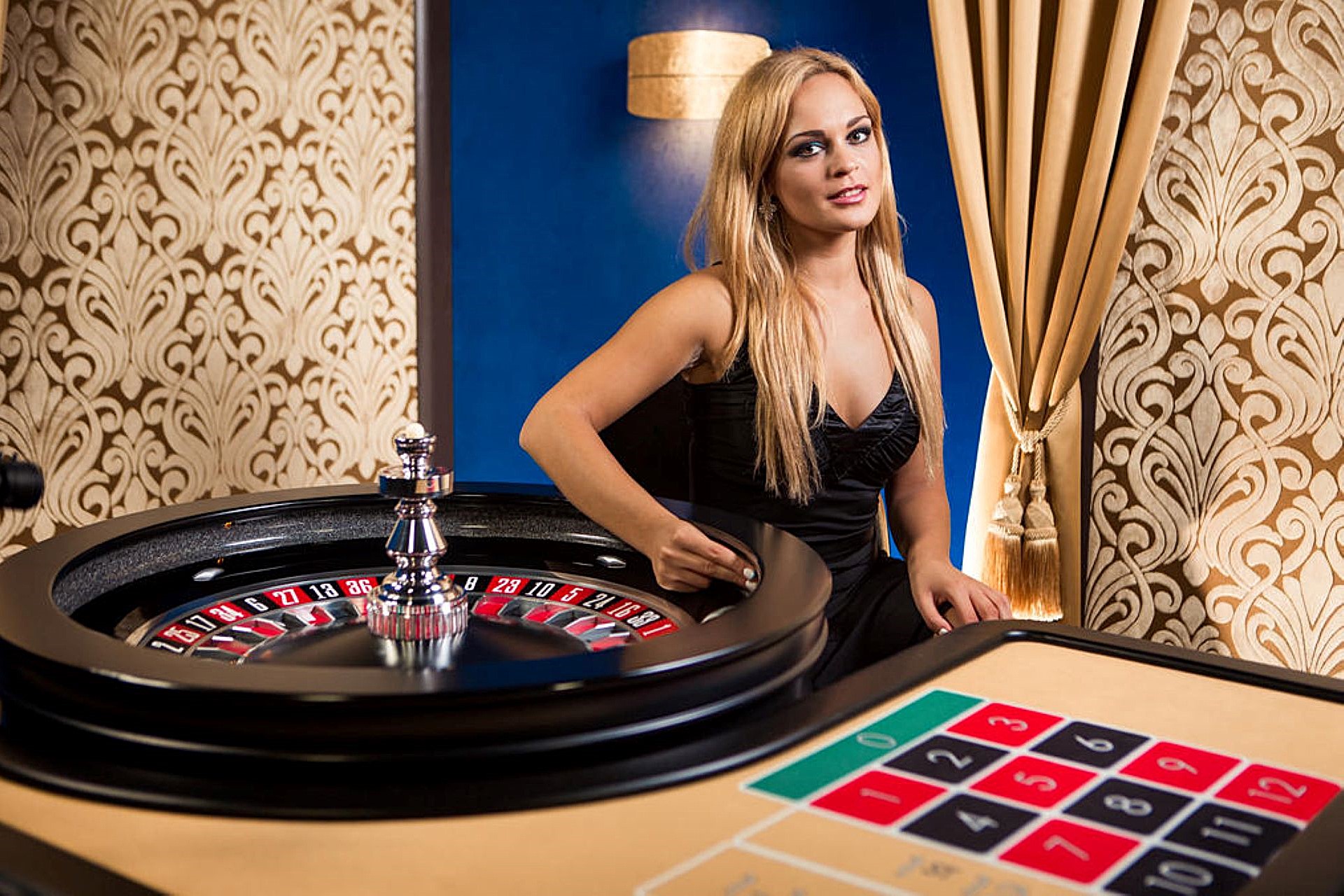
Visual Guide to Online Blackjack Gameplay
What Are blackjack ballroom casino code?
What is the house border in blackjack and how does it vary?
The house edge in monetary standard blackjack is typically around 0.5% when using basic strategy, but it can vary based on specific rules like the number of decks, whether the dealer hits on soft 17, and payout for blackjack.
rollino casino no deposit bonus 2026 — rollino casino no deposit code
What is the difference between classic blackjack and live dealer blackjack?
Classic blackjack is played against a computerised dealer with random number generation, while live blackjack streams a real dealer via video, offering a thomas more immersive experience and real-time interaction.
How does basic strategy improve my chances in blackjack?
Basic strategy is a mathematically optimal way to play for each one hand based on your cards and the dealer’s upcard, reducing the put up edge to its lowest possible level, often beneath 1%.
What are plebeian blackjack variants and how do they differ?
Popular variants include European Blackjack (dealer stands on subdued 17), Atlantic City Blackjack (dealer hits on soft 17 and allows surrender), and Blackjack Switch (players can swap cards between two hands).
What RTP can I await in online blackjack?
Online blackjack typically has a high RTP of around 99.5% when using basic strategy, but this can fall to 95-97% if side bets are included or if the game uses non-standard rules.
Setting Limits When Playing Blackjack Online
Gambling is strictly for adults aged 18 and over. All UK casinos featured on this site are licensed by the Gambling Commission (UKGC), ensuring fair play and customer protection. If you feel your gambling is becoming a problem, you can self-exclude via GAMSTOP, the national online self-exclusion scheme. For prompt help, contact GamCare or BeGambleAware on the National Gambling Helpline at 0808 8020 133. Always set deposit and time limits before you play, and remember: gambling should be entertainment, not a way to make money or chase losses. Play responsibly and only when what you can afford to lose.